Massachusetts packs an unusually dense mix of coastal towns, historic cities, and rural retreats into one state - making the choice of where to stay as important as the hotel itself. Whether you're booking a 4-star hotel in Boston's urban core or a refined inn in the Berkshires, the quality gap between properties is significant, and knowing what to expect at each location saves both money and frustration.
What It's Like Staying in Massachusetts
Massachusetts is one of the most historically dense states in the country, stretching from Boston's walkable neighborhoods to the quiet resort towns of Cape Cod and the cultural corridors of the Berkshires. Getting around without a car is realistic in Boston, but most other destinations - Lee, Wrentham, Seekonk, Provincetown - require a rental or careful planning around limited regional bus services. Crowd patterns peak hard in summer, particularly July and August, when coastal towns like Nantucket and Provincetown fill weeks in advance and inland cultural venues like Tanglewood draw large regional audiences.
Pros:
- Concentrated variety - ocean, mountains, and major city within 3 hours of each other
- Boston's public transit (the T) covers the city core well, reducing the need to rent a car for urban visits
- Strong cultural calendar year-round: whale watching, fall foliage, Tanglewood summer concerts, and Freedom Trail history
Cons:
- Outside Boston, a car is essentially mandatory for reaching most 4-star properties
- Summer pricing in coastal towns can spike dramatically, limiting flexibility for last-minute travelers
- Winter shoulder season closes many smaller inns and limits dining options in rural and island areas
Why Choose 4-Star Hotels in Massachusetts
Four-star properties in Massachusetts occupy a distinct middle ground: they deliver consistent amenities - private bathrooms, air conditioning, free WiFi, on-site bars or breakfast - without the steep rates of Boston's downtown luxury towers. In cities like Boston, a 4-star hotel typically runs around 30% less than a comparable 5-star property, while offering genuinely competitive room quality. In smaller towns like Lee or Wrentham, 4-star bed and breakfasts and inns often include features - outdoor firepla ces, private gardens, locally sourced breakfasts - that urban luxury hotels charge significant premiums for.
Room sizes at 4-star inns outside Boston are often larger than what urban 5-star hotels deliver, a practical advantage for families or longer stays. The trade-off is that rural properties may lack 24-hour staffing, on-site spas, or concierge-level services common in higher-tier city hotels.
Pros:
- Consistent amenity baseline - private bathrooms, WiFi, climate control - across urban and rural properties
- Boutique 4-star inns in the Berkshires and South Shore often include breakfast, reducing daily meal costs
- Better value per square foot compared to 5-star Boston properties, especially for multi-night stays
Cons:
- Smaller rural properties may not offer 24-hour front desk or on-site dining beyond breakfast
- Limited loyalty program integration compared to major chain 4-star properties in Boston
- Seasonal closures affect availability at some boutique inns, particularly in winter months
Practical Booking & Area Strategy for Massachusetts
Boston remains the strongest anchor for 4-star stays, with the Cleveland Circle area offering a quieter residential alternative to downtown - around 5 km from Fenway Park and well-connected via the Green Line B branch, making it practical without the noise of the Back Bay. For travelers targeting the Berkshires region, Lee is the most strategically positioned town: within 15 km of Tanglewood, the Norman Rockwell Museum, and Cranwell Spa, it works as a base for multiple days of cultural and outdoor activity without moving hotels. Seekonk sits on the Rhode Island border, making it a logical choice for travelers splitting time between Massachusetts and Providence. Wrentham, home to the Proctor Mansion Inn, places guests within easy reach of both Providence and the South Shore, though its appeal is primarily for those seeking a quieter, countryside pace rather than urban access. Book Nantucket and Provincetown properties at least 8 weeks ahead for summer travel - both islands operate on constrained housing stock, and last-minute availability at quality properties essentially disappears by late June.
Best Value 4-Star Stays in Massachusetts
These properties deliver strong amenity packages at accessible price points, positioned across the state's most practical travel corridors - from the Rhode Island border to the Berkshires.
-
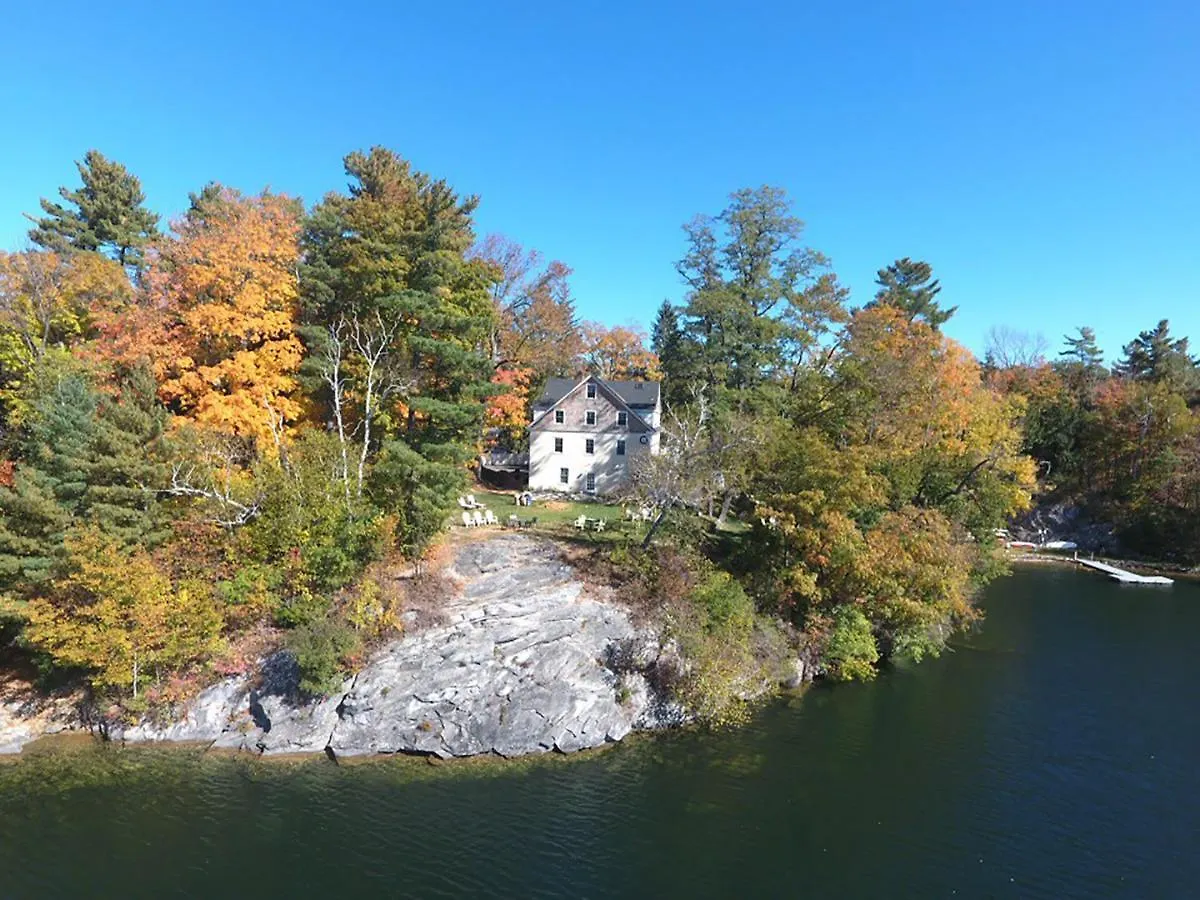
1. Lakehouse Inn
Show on map


 Check-infrom 15:00 until 18:00Check-outuntil 11:00
Just a few rooms left at the best rate!
fromUS$ 271
-
2. Proctor Mansion Inn
Show on map


 Check-infrom 15:00 until 21:00Check-outuntil 10:00
Just a few rooms left at the best rate!
fromUS$ 289
-
3. Motel 6-Seekonk, Ma - Providence East
Show on map


 Check-infrom 15:30 until 23:59Check-outuntil 11:00
Just a few rooms left at the best rate!
fromUS$ 100
Best Premium 4-Star Stays in Massachusetts
These properties sit at the upper end of the 4-star tier in Massachusetts, offering distinctive locations, stronger amenity packages, or access to high-demand destinations where accommodation quality directly shapes the travel experience.
-
4. Ac Hotel By Marriott Boston Cleveland Circle
Show on map


 Check-infrom 15:00 until 23:59Check-outuntil 12:00
Hurry – almost gone at this price!
fromUS$ 264
-
5. Life House, Nantucket
Show on map


 Check-infrom 16:00 until 23:59Check-outuntil 11:00
Hurry – almost gone at this price!
fromUS$ 706
-
6. Stockbridge Country Inn (Adults Only)
Show on map


 Check-infrom 15:00 until 19:30Check-outuntil 11:00
Rooms filling fast – secure the best rate!
fromUS$ 402
-
7. Prince Albert Guest House, Provincetown
Show on map


 Check-infrom 15:00 until 23:59Check-outuntil 11:00
Rooms filling fast – secure the best rate!
fromUS$ 316
Smart Travel & Timing Advice for Massachusetts
The best window for visiting Massachusetts without peak-season pressure is September through mid-October, when fall foliage draws visitors to the Berkshires and Cape Cod but crowds are measurably thinner than July and August. Summer rates at Nantucket and Provincetown properties can run nearly double the September equivalent - a meaningful saving for flexible travelers. Tanglewood's concert season runs from late June through August, which makes Lee and Stockbridge properties fill faster during weekends when headline performances are scheduled; mid-week stays during this period typically offer both better rates and easier restaurant reservations. For Boston, the academic calendar drives a secondary pricing peak in early September when university arrivals coincide with late-summer tourism - booking at least 6 weeks ahead for September visits is advisable. Winter stays in the Berkshires are viable for skiing at Jiminy Peak and Bousquet, but many smaller inns operate on reduced schedules or close entirely between January and March, so confirming availability directly with the property before booking is essential.