
Arizona resorts deliver something rare: extreme landscape variety within a single state. From the ponderosa pine elevations of the White Mountains to the red-rock desert of the Verde Valley and the historic mining hills of Bisbee, choosing the right resort means choosing the right Arizona experience. This guide breaks down 4 standout resort options across the state to help you book with confidence.
What It's Like Staying in Arizona
Arizona is one of the most geographically diverse states in the American Southwest, offering everything from desert lowlands to forested mountain plateaus above 7,000 feet. Driving is essential - public transport between regions is minimal, and most resort areas require a car to access trailheads, casinos, and nearby towns. Crowd patterns shift dramatically by elevation: Phoenix-area destinations peak in winter, while mountain resorts near Pinetop and Flagstaff draw the heaviest traffic in summer when temperatures stay around 75°F.
Winter visitors dominate the southern zones, while summer brings families to the cooler highlands. Understanding this split is key to timing your stay and locking in the right resort for your goals.
Pros:
- Extraordinary landscape range - desert, pine forest, canyons, and high plateaus all within one state
- Resort areas like Flagstaff and Pinetop offer genuine four-season recreation including skiing, hiking, and casino access
- Many resorts include on-site amenities that reduce the need to leave the property daily
Cons:
- A car is non-negotiable - nearly every resort is far from walkable urban infrastructure
- Weather extremes are real: desert zones exceed 110°F in summer, while mountain areas can snow through April
- Some resort zones are remote enough that dining and shopping options outside the property are limited
Why Choose a Resort in Arizona
Resorts in Arizona are not just accommodation - they function as self-contained destinations, which matters significantly in a state where the nearest town can be 20 miles away. Unlike standard hotels, Arizona resorts typically bundle recreation, dining, and activity access into the stay itself, making them especially practical for families and multi-night trips. Rates at mountain resorts run lower than Phoenix luxury hotels, often delivering more space and amenity access at a comparable or reduced price point.
Room sizes at Arizona resorts skew larger than urban hotels, with suite configurations common, including full kitchens and laundry facilities that make week-long stays manageable without daily restaurant dependence. The trade-off is noise from recreational facilities and, in casino resorts, 24-hour activity that can disrupt lighter sleepers. Travelers seeking pure solitude may find resort environments livelier than expected, especially on weekends.
Pros:
- Full kitchen access in many resort suites reduces food costs significantly on extended stays
- On-site recreation - pools, golf, ski access, trails - means less daily planning and lower transport overhead
- Resort locations near national monuments and casino properties add genuine activity value beyond the room
Cons:
- Weekend occupancy at popular mountain and casino resorts can create noise and congestion on-property
- Remote locations mean limited restaurant or shopping alternatives if on-site dining doesn't suit you
- Booking flexibility is lower during peak season - cancellation policies tighten considerably in summer and holiday windows
Practical Booking and Area Strategy for Arizona Resorts
Arizona's resort landscape breaks into distinct geographic clusters that each serve a different traveler profile. Flagstaff-area resorts sit at around 7,000 feet elevation, offering cooler summers and proximity to the Grand Canyon, Sedona, and Northern Arizona University - making them versatile bases for multi-destination itineraries. The Verde Valley corridor, anchored by Cottonwood and Camp Verde, positions guests within reach of Montezuma Castle National Monument and Cliff Castle Casino, with a quieter, less commercialized feel than Flagstaff. Southern Arizona's Bisbee sits near the Mexican border and appeals to travelers drawn to the Copper Queen Mine history, art district walkability, and the Mule Mountains terrain.
For White Mountain stays near Pinetop, book at least 6 weeks ahead for summer weekends - the trail system and ski access drive strong regional demand from Phoenix residents escaping the heat. Flagstaff casino resort guests should account for the 30-minute airport transfer from Flagstaff Pulliam Airport, making it viable for fly-in stays. Bisbee requires driving from Tucson International, roughly 90 minutes, and suits travelers combining it with southern Arizona highlights like Tombstone or the Chiricahua National Monument.
Best Value Resorts in Arizona
These resorts deliver strong recreational value and suite-style accommodation across Arizona's mountain and high-desert zones, suited to families and multi-night stays where space and activity access matter most.
-
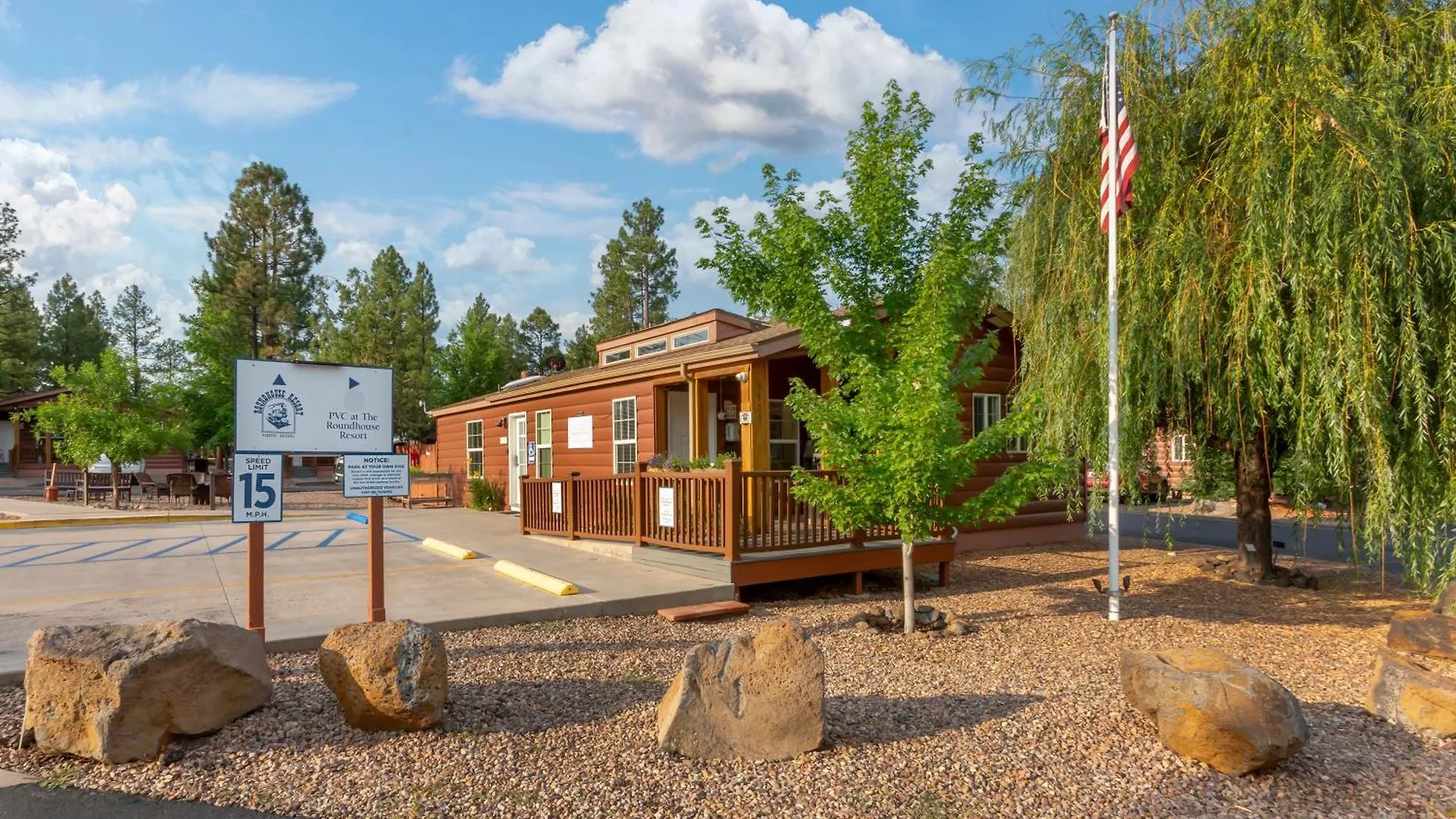
1. Pvc At The Roundhouse Resort
Show on map


 Check-infrom 16:00 until 23:59Check-outuntil 10:00
Just a few rooms left at the best rate!
fromUS$ 73
-
2. Highlands Resort At Verde Ridge
Show on map


 Check-infrom 16:00 until 23:59Check-outuntil 11:00
Just a few rooms left at the best rate!
fromUS$ 118
Best Premium Resorts in Arizona
These properties offer elevated dining, casino-integrated entertainment, and distinctive architectural character across Flagstaff and Bisbee - suited to travelers prioritizing atmosphere, F&B quality, and unique regional positioning.
-
3. Twin Arrows Navajo Casino Resort
Show on map


 Check-infrom 16:00 until 23:59Check-outuntil 11:00
Hurry – almost gone at this price!
fromUS$ 97
-
4. The Carrick
Show on map


 Check-infrom 15:00 until 19:00Check-outfrom 10:00 until 11:00
Rooms filling fast – secure the best rate!
fromUS$ 251
Smart Travel and Timing Advice for Arizona Resorts
Timing an Arizona resort stay correctly can significantly affect both price and experience quality. Summer (June through August) is peak season for mountain resorts near Pinetop and Flagstaff, driven by Phoenix residents escaping triple-digit desert temperatures - book these properties at least 6 weeks in advance or accept limited availability. Southern Arizona resorts in Bisbee and the Verde Valley follow the opposite pattern: winter months from November through March bring milder weather and higher visitor volume, while summer stays are quieter and occasionally discounted.
A minimum stay of 3 nights makes most sense for remote resort locations, since drive times to key attractions like the Grand Canyon (around 90 minutes from Flagstaff) and Montezuma Castle benefit from multi-day base positioning. Last-minute deals are rare at Arizona resort properties - the regional demand from in-state visitors, particularly from Phoenix and Tucson, keeps occupancy high during school holiday periods. Spring (March to May) offers a practical balance of reasonable rates, active trail conditions, and moderate crowd levels across most zones.


