
The Midwest stretches across a vast and underestimated stretch of the United States, offering travelers everything from Great Lakes shorelines in Ohio to the Dells waterpark corridor in Wisconsin and the quiet Flint Hills of Kansas. These four highly rated hotels span that range - each earning strong user scores for distinct reasons, whether it's riverfront access, proximity to family attractions, off-grid cabin stays, or a genuine farmland B&B experience. This guide breaks down exactly what each property delivers, who it suits, and how to book smart across Midwest's varied seasons.
What It's Like Staying in the Midwest
The Midwest is not a single destination - it's a collection of distinctly different travel environments stitched together by interstate highways and regional airports. Driving is the dominant transport mode, with most attractions separated by 20 to 60 minutes of open road rather than walkable city blocks. Crowd patterns vary sharply: lake and resort areas like the Wisconsin Dells see peak saturation in July and August, while rural Ohio and Kansas properties stay quiet nearly year-round, making them reliable escapes rather than bucket-list stopovers.
Travelers who benefit most from the Midwest are those seeking value density - around 40% lower average nightly rates than coastal equivalents - combined with access to nature, regional culture, and family-oriented attractions. Urban minimalists expecting metro-scale nightlife or walkable dining districts will find the region underwhelming in most locations outside Chicago or Columbus.
Pros:
- Significantly lower hotel rates compared to East or West Coast destinations
- Easy car-based access to lakes, forests, and family attractions without congestion
- Authentic regional experiences - from Amish country in Ohio to Kansas prairie B&Bs
Cons:
- Public transport between destinations is nearly nonexistent; a rental car is essential
- Dining and entertainment options thin out quickly outside small city centers
- Weather windows are narrow - winters are harsh and summers in resort zones get crowded fast
Why Choose Highly Rated Hotels in the Midwest
Hotels with strong overall user ratings in the Midwest tend to earn their scores through consistency rather than luxury - guests repeatedly highlight cleanliness, helpful staff, and accurate value expectations. Breakfast inclusion is a major differentiator across this category, with most top-rated properties offering at minimum a continental spread, which meaningfully reduces daily travel costs in areas where restaurant options are limited. Room sizes in Midwest properties generally run larger than comparable-rated hotels on the coasts, with suites and multi-room configurations available at price points that would buy a standard double elsewhere.
The trade-off is amenity depth: a 3-star hotel in rural Wisconsin or Kansas won't replicate a full-service urban property, but what it loses in spa facilities it gains in parking ease, quieter surroundings, and around 30% more average square footage per room. For road-trippers, families, or travelers prioritizing rest quality over nightlife access, this category consistently outperforms expectations in the Midwest.
Pros:
- Breakfast-inclusive rates are common, cutting per-day costs in areas with sparse dining
- Free on-site parking is almost universal, eliminating a cost that adds up fast in city hotels
- High consistency scores - top-rated Midwest hotels tend to deliver exactly what they advertise
Cons:
- On-site dining beyond breakfast is limited at many properties; evenings require driving
- Fitness and wellness amenities are basic compared to urban hotel categories
- Availability in resort zones (Wisconsin Dells area) tightens sharply from June through August
Practical Booking & Area Strategy in the Midwest
Positioning matters significantly in the Midwest because distances between attractions and accommodations are real and driven by car. In northern Ohio, staying near Ashtabula's Lake Erie shoreline puts you within minutes of Walnut Beach and the Grand River wine country, while Ashtabula's small downtown means minimal traffic noise at night. In central Wisconsin, Reedsburg sits roughly 16 km from the Mid-Continent Railway Museum and within easy reach of Wisconsin Dells - a smart choice for families who want Dells proximity without Dells pricing. Rural Kansas near Manhattan offers a completely different rhythm: the Flint Hills Scenic Byway, Konza Prairie, and Kansas State University's campus draw visitors who prioritize open landscape over resort infrastructure.
Book Wisconsin Dells-area properties at least 8 weeks ahead for summer travel - room availability collapses by Memorial Day weekend. Ohio lake properties see moderate summer demand but remain bookable closer to arrival. Kansas rural B&Bs are the most last-minute-friendly. For attractions, the Midwest punches above its weight: Rock & Roll Hall of Fame in Cleveland, Indiana Dunes National Park, Starved Rock State Park in Illinois, and the Door County peninsula in Wisconsin are all within driving range of the hotels in this guide. Highway 2 along Lake Erie's southern shore and the Great River Road along the Mississippi are among the most scenic drives in the country - both accessible from Midwest hotel bases featured here.
Best Value Stays
These properties deliver the strongest combination of user-rated quality and practical affordability, each with free parking, breakfast options, and location access that justifies the rate for Midwest road-trip and family travelers.
-
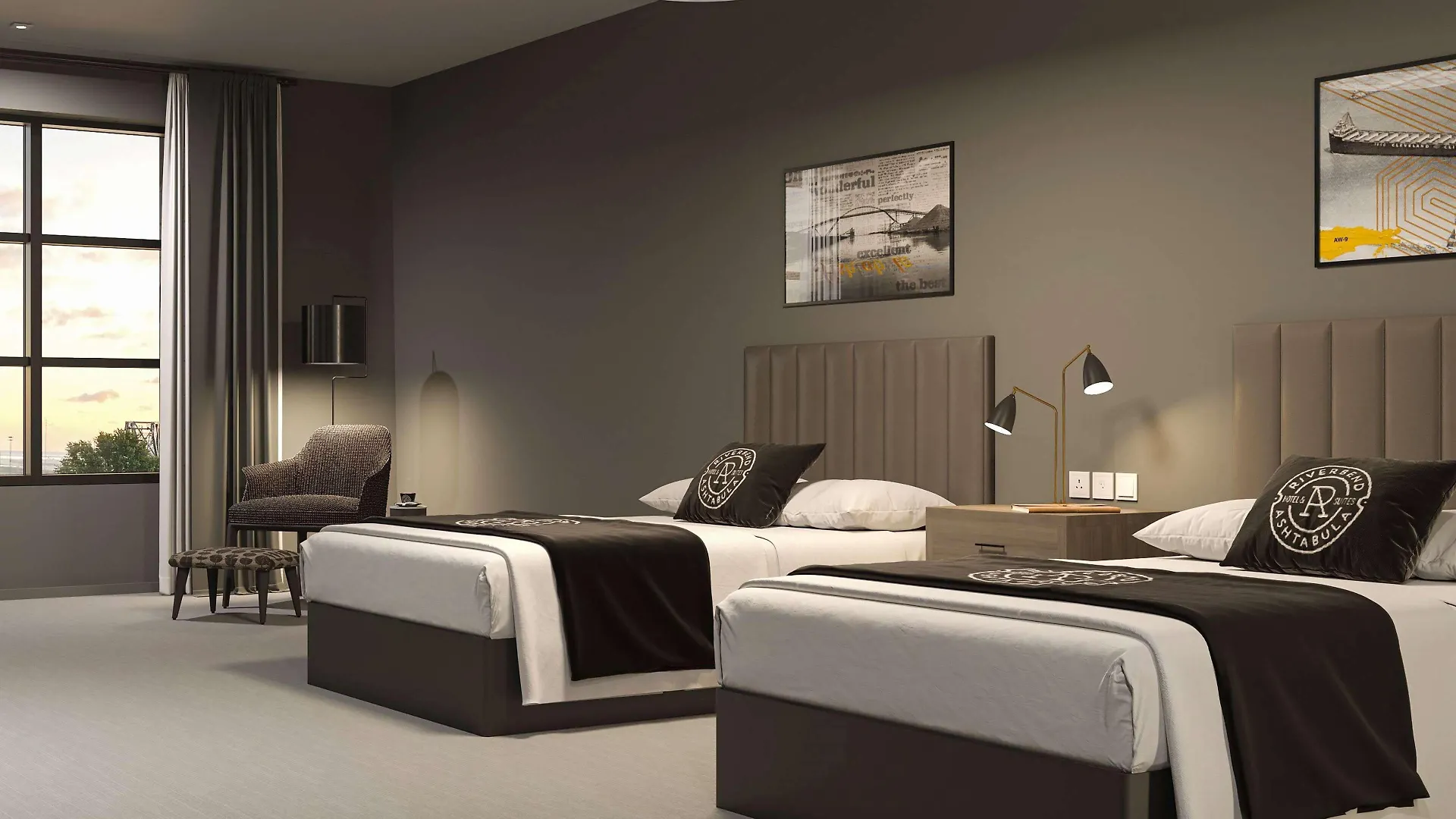
1. Riverbend Hotel And Suites, Trademark Collection By Wyndham
Show on map


 Check-infrom 15:00 until 23:59Check-outuntil 11:00
Just a few rooms left at the best rate!
fromUS$ 141
-
2. Holiday Inn Express & Suites Reedsburg - Dells Area By Ihg
Show on map


 Check-infrom 15:00 until 23:59Check-outuntil 11:00
Hurry – almost gone at this price!
fromUS$ 175
- Show on map
Best price guarantee
Best Premium Option
For travelers seeking a more intimate, character-driven stay with a higher level of personalized service, this Kansas property stands out among top-rated Midwest accommodations for its setting, atmosphere, and included full breakfast.
-
4. Attwood House Bed And Breakfast Near Manhattan, Ks
Show on map


 Check-infrom 15:00 until 21:30Check-outuntil 11:00
Rooms filling fast – secure the best rate!
fromUS$ 125
Smart Travel & Timing Advice for the Midwest
The Midwest doesn't have a single peak season - it varies sharply by sub-region. Wisconsin Dells-area properties like the Reedsburg IHG hit maximum occupancy from late June through mid-August, with prices spiking significantly and availability collapsing on weekends. Booking 8 weeks ahead is the minimum for summer family trips in that corridor. Ohio lake properties near Ashtabula see moderate summer demand but remain more accessible; September is arguably the best month - cooler temperatures, lower prices, and the Lake Erie wine harvest season in full swing.
Ohio Amish Country is quietest in January and February, when cabin rates drop and the region's working farms continue operating regardless of tourism volume - a genuinely off-season option for curious travelers. Kansas B&Bs near Manhattan spike around home football weekends at Kansas State University, so checking the Wildcats schedule before booking is practical advice that saves both money and availability stress. For multi-night stays, three nights is the practical minimum across most Midwest destinations - distances between sub-regions mean that one-night stays rarely allow enough time to explore meaningfully without spending most of the day driving.


