
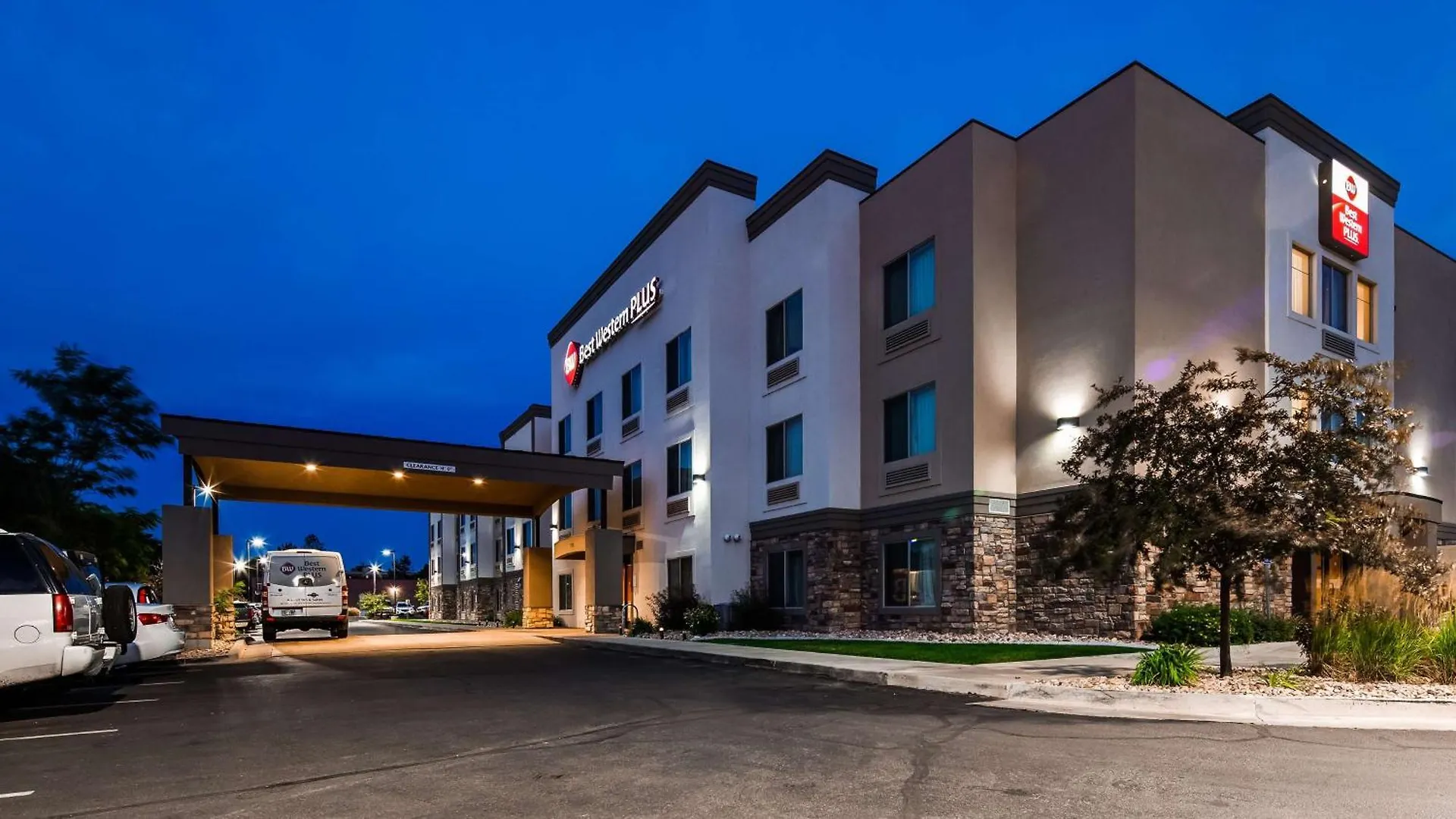
Utah concentrates five of America's most visited national parks within a single state, making it one of the most strategically layered destinations in the American West. Best Western Plus hotels in Utah are spread across key corridors - from Salt Lake City's airport zone to gateway towns for Zion, Arches, and the Wasatch mountains - giving travelers a reliable, consistent brand presence wherever their itinerary takes them.
What It's Like Staying in Utah
Utah is a state built around movement - most visitors are either chasing national parks, ski resorts, or both, which means your hotel location directly determines how much driving you'll do each day. Five national parks sit within Utah's borders, and distances between them can exceed 300 miles, so choosing a well-placed base isn't a luxury, it's a logistical necessity. Salt Lake City acts as the main air hub, while smaller towns like Moab, St. George, and Heber City serve as gateway bases for specific outdoor zones.
Pros:
- Extraordinary concentration of UNESCO-level landscapes - Zion, Bryce, Arches, Canyonlands, and Capitol Reef - all within one state
- Salt Lake City International Airport connects to most major U.S. cities, making arrivals and departures logistically straightforward
- A strong network of mid-range hotels along I-15 and Highway 191 means you're rarely far from a reliable overnight stop
Cons:
- Peak season (April through October) brings heavy traffic near park entrances, with wait times at Zion's shuttle stops exceeding an hour
- Many gateway towns have limited dining and nightlife options - evenings are quiet by urban standards
- Distances between major attractions require a rental car; public transit is not a viable option for park touring
Why Choose Best Western Plus Hotels in Utah
Best Western Plus properties occupy a clear mid-range tier in Utah's accommodation market - priced above basic motels but consistently below full-service resort hotels, making them a practical choice for travelers who want dependable amenities without paying premium rates. In Utah specifically, the brand's geographic spread is its strongest asset: properties are positioned near airports, national park entrances, and ski corridors, meaning you can use the same brand across multiple stops without sacrificing consistency. Most properties include free breakfast, indoor or outdoor pools, and fitness centers - features that matter after long days on trail or the slopes.
Pros:
- Free breakfast is standard across Utah Best Western Plus locations, removing one daily expense on multi-night stays
- Properties near park gateways (Zion, Arches) are positioned closer to entrances than many Salt Lake City alternatives, saving around 2 hours of daily round-trip driving
- Free parking is included at all five Utah locations - relevant given that a rental car is essential for any Utah itinerary
Cons:
- Rooms are functional rather than design-forward - travelers expecting boutique aesthetics or resort-style spaces will find them plain
- Gateway town locations (La Verkin, Moab, Heber City) offer limited walkability; the hotels are driving destinations, not urban bases
- Hot tub and pool access is shared and can feel crowded during peak family travel season in July and August
Practical Booking & Area Strategy for Utah
Utah's geography demands a zone-first booking strategy: decide which parks or regions anchor your trip before selecting a hotel, because staying in Salt Lake City while visiting Arches adds nearly 4 hours of driving per day. For northern Utah and airport arrivals, the Salt Lake City airport corridor is the logical first-night base. Travelers heading south toward Zion should position in or near St. George or La Verkin, which places Zion National Park within a 25-minute drive. For the Moab area - home to Arches and Canyonlands - book as early as possible; availability tightens sharply from March onward. The Heber City location serves as a strong pivot point for visitors combining Park City's ski terrain with Provo or Utah Valley sightseeing, with Park City Mountain Resort around 30 km away. Booking at least 6 weeks ahead during spring and fall shoulder seasons is strongly advised, as these periods attract both domestic road-trippers and international park visitors simultaneously.
Best Value Stays
These properties deliver strong logistical positioning and consistent amenities at rates that make multi-night stays financially practical - particularly for travelers who prioritize proximity to parks and included breakfast over room design.
-
1. Best Western Plus Airport Inn & Suites
Show on map


 Check-infrom 15:00 until 23:59Check-outuntil 11:00
Just a few rooms left at the best rate!
fromUS$ 99
-
2. Best Western Plus Cotton Tree Inn
Show on map


 Check-infrom 15:00 until 23:59Check-outuntil 12:00
Just a few rooms left at the best rate!
fromUS$ 136
-
3. Best Western Plus Zion West
Show on map


 Check-infrom 15:00 until 23:59Check-outuntil 11:00
Hurry – almost gone at this price!
fromUS$ 78
Best Premium Stays
These two properties combine stronger positioning near specific high-demand destinations - Arches National Park and the Wasatch mountain corridor - with amenity packages suited to both outdoor adventurers and families on extended Utah itineraries.
-
4. Best Western Plus Heber Valley Hotel
Show on map


 Check-infrom 15:00 until 23:59Check-outuntil 11:00
Hurry – almost gone at this price!
fromUS$ 220
-
5. Best Western Plus Greenwell Inn
Show on map


 Check-infrom 15:00 until 23:59Check-outuntil 11:00
Rooms filling fast – secure the best rate!
fromUS$ 101
Smart Travel & Timing Advice for Utah
Utah's two clearest booking windows are spring (late March to May) and fall (September to October) - both offer mild temperatures for hiking and significantly lower nightly rates than the July-August peak, when family travel inflates demand across all gateway towns. Summer crowds at Zion and Arches peak in July, with Arches implementing a timed-entry reservation system that can sell out weeks in advance; your hotel proximity becomes even more critical when entry windows are fixed early in the morning. Winter is underrated for southern Utah destinations like Moab, where temperatures stay manageable and crowds are thin - Arches and Canyonlands see far fewer visitors between December and February. For ski-focused stays near Heber City or Salt Lake City, January and February are peak weeks and rates can rise around 30% above fall shoulder-season pricing. A minimum of 2 nights per park zone is the practical standard - one night rarely allows enough time to cover signature trails without rushing. Book gateway town hotels at least 8 weeks ahead for any spring or fall weekend stay.


